

Types of Texture
Choosing the Right Texture
Choosing the right drywall texture plays a big role in the final look and feel of a home. Factors like home style, lighting, maintenance, and budget all play a role in choosing the right finish. Working with experienced drywall professionals ensures the texture is applied correctly and consistently throughout the home. Below are the most common types of drywall texture, how they’re applied, and where they’re typically used.
Orange Peel Texture
Orange peel texture has a light, dimpled appearance similar to the surface of an orange. It’s applied by spraying joint compound onto the walls and ceilings and allowing it to dry without being flattened.
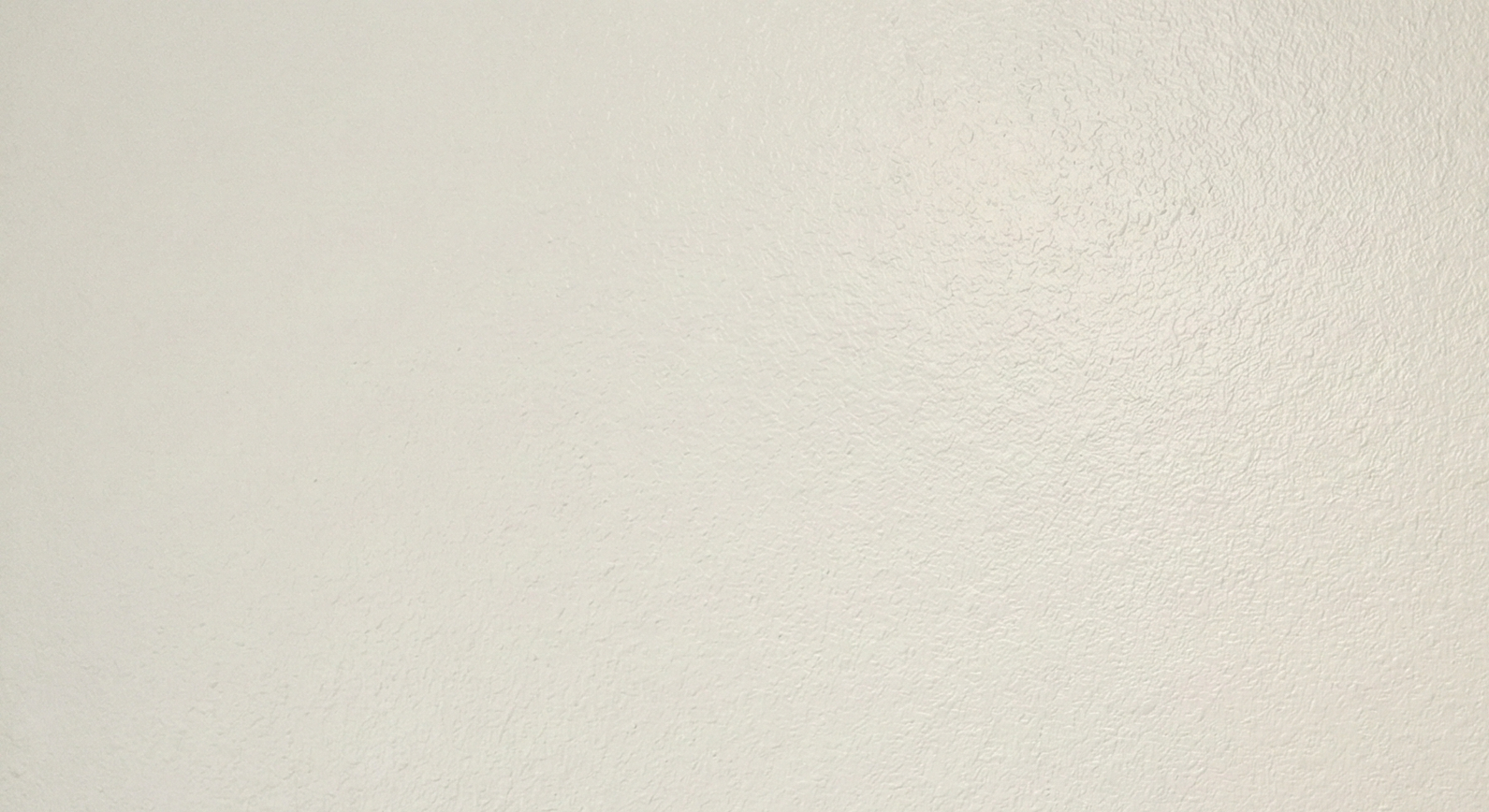
This Texture
Helps hide minor imperfections
Is easy to touch up and repair
Is commonly used in new residential construction
Knockdown Texture
Knockdown texture starts as a sprayed texture similar to orange peel, but once it partially sets, it is lightly flattened using a knockdown knife.
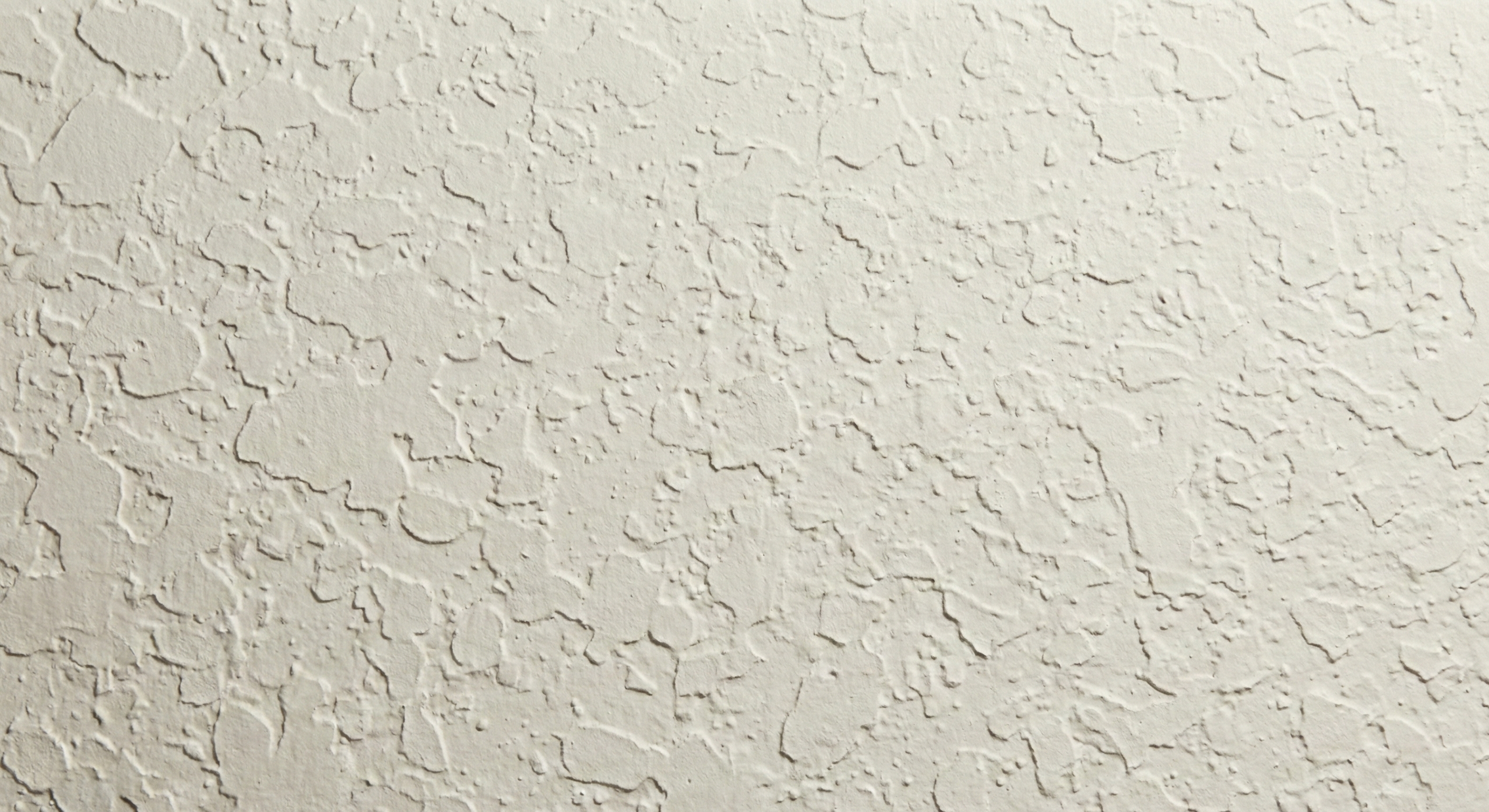
This texture:
Creates a soft, mottled pattern
Adds depth and character to walls and ceilings
Hides imperfections better than smooth finishes
Most common choice for builders and homeowners in Colorado and its surrounding areas
Pull Trowel Texture
Pull trowel texture is a hand-applied finish created by spreading joint compound with a trowel in curved or sweeping patterns. Pull trowel texture requires skilled craftsmanship and is ideal for homeowners looking for a unique finish.
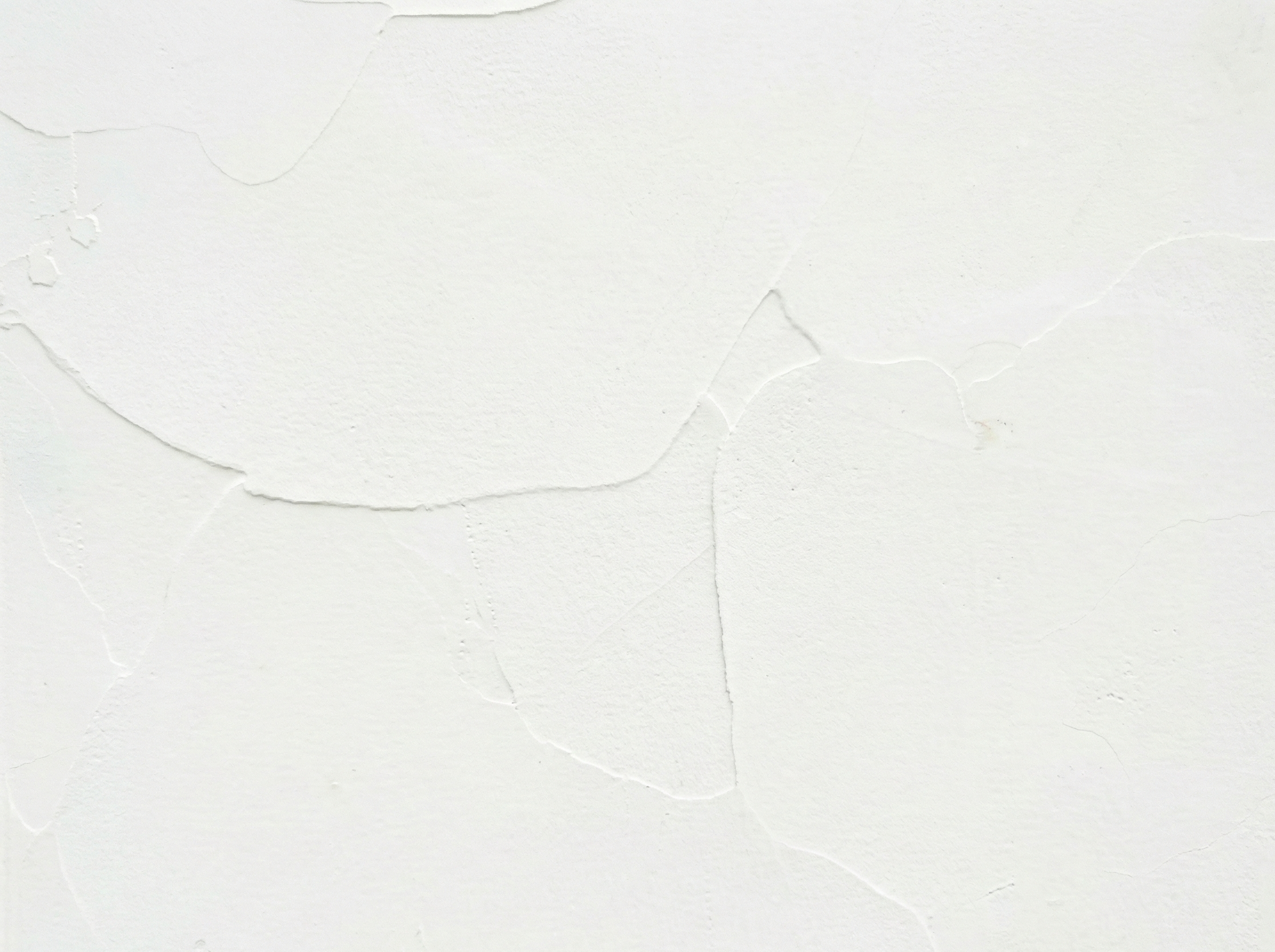
This texture:
Has a custom, handcrafted appearence
Adds a high-end or artistic look
Varies slightly from room to room by design
Is commonly used in upscale or custom homes
Smooth Finish
A smooth drywall finish is completely flat with no texture. It requires multiple coats of joint compound, detailed sanding, and precise workmanship. Smooth finishes are commonly used in modern homes, custom builds, and corporate building interiors.

This finish:
Creates a clean, modern, high-end appearnece
Shows paint colors and lighting clearly
Requires the most preparation and skill
Is less forgiving of framing imperfections
